See ahead. Act early.
Strategic foresight that reveals risks and opportunities before they take shape.
Today’s operating environment is defined by uncertainty, volatility and accelerating change.
OPERATING ENVIRONMENT
Geopolitical tension, technological disruption, shifting regulation, fragile supply chains, and volatile markets now move faster than most organizations can interpret. Leaders are called upon to make decisions in conditions of low visibility and high pressure.

We clarify how external shifts, strategic moves, and operational trajectories are likely to evolve — helping organizations to:
WHAT WE DO
See emerging and potential risks.
Spot hidden opportunities.
Test assumptions to reveal vulnerabilities.
Evaluate existing plans, strategies and expectations.
Define and assess options.
We deliver three forms of tailored strategic foresight — forecasts, scenario modeling, and simulations — each offering a different way to see where risk and opportunity are most likely to emerge.
WHAT WE DELIVER
-
Forecasts clarify the most probable trajectory of external shifts — giving organizations an early, evidence-based read on where the geopolitical, economic, or market environment is actually heading so they can move before competitors do. Use cases include:
— Market & Sector Forecasts
— Policy & Regulatory Forecasts
— Geopolitical Risk Forecasts
— Technology & Disruption Forecasts
— Cost-Structure & Input-Cost Forecasts
— Company & Strategic Forecasts
-
Scenario modeling reveals the most strategically important future pathways in any external shift, strategic move, or operational trajectory — identifying the outcomes with the highest probability — so organizations can uncover potential risks, position early for potential opportunities, and pressure-test decisions before committing capital and other resources. Use cases include:
— Strategic Outcome Scenarios
— External Shift Scenarios
— Geopolitical Flashpoint Scenarios
— Operational Trajectory Scenarios
— Competitive & Market Scenarios
-
Simulations test how systems and strategies hold up under stress — exposing where operations, processes, supply chains, markets, or geopolitical environments break, adapt, or transform — so organizations can strengthen resilience, identify hidden leverage points, and prepare for volatility before it arrives. Use cases include:
— Shock Propagation Models
— System Fragility Mapping
— Supply-Chain Stress Tests
— Operational Stress Tests
— Decision Stress Tests
Each engagement is shaped around the organization’s specific operating context and exposure — clarifying where meaningful risk may develop and where real advantage can be created.

Forecasts.
“Show me the most likely direction of external change.”

Scenario Modeling.
“Show me the few plausible futures I actually need to prepare for.”
Simulations.
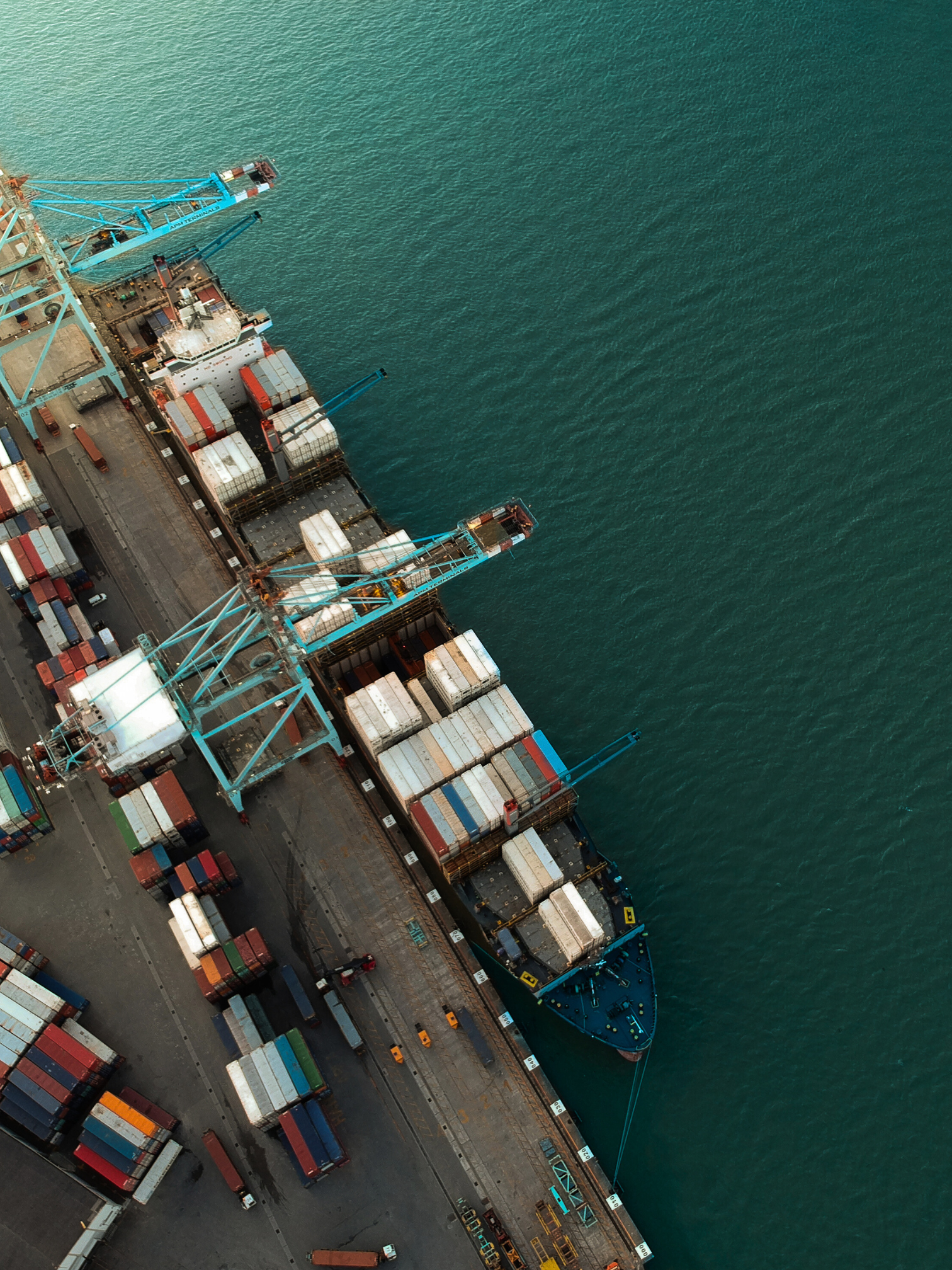
“Show me how the system behaves under stress — and what that reveals.”
Behind every tailored forecast, scenario, and simulation is our proprietary foresight system — a structured 4-step process designed to bring clarity to complex and uncertain environments.
OUR PROCESS
We sharpen the strategic question, gather the signals that matter, stress-test the analysis through disciplined frameworks, and distill the implications into clear, relevant, decision-ready insight.
-
We clarify the organization’s specific strategic question, time horizon, and what must be understood about how external shifts, strategic moves, or operational forces may unfold.
-
We collect the full set of relevant inputs — exposure profile, operating conditions, real-time data, narrative and sentiment shifts, historical parallels, geographic factors, and stakeholder incentives — using AI to expand signal coverage while keeping every input specific to the organization’s context.
-
We apply structured analytical testing — weighting data, mapping interdependencies, implementing bias mitigation protocols, running game-theory exercises, and pressure-testing how different forces could reshape the landscape — using AI to accelerate pattern detection while preserving human judgment at every step.
-
We translate the analysis into clear scenarios, forecasts, and strategic options — outlining the most likely ways risks or opportunities could take shape and the implications for the organization’s position, exposure, and choices.

Featured insights.
INSIGHTS
We advise organizations navigating strategic uncertainty, evolving risk, and multi-market complexity — across sectors and geographies, especially:
OUR CLIENTS
Global or multi-market organizations.
Firms with geopolitical, regulatory, or supply-chain exposure.
Investment groups and capital allocators.
Enterprises operating in volatile or shifting environments.
Organizations in strategic change, expansion, or restructuring.
About Aaron Chamberland.
OUR FOUNDER
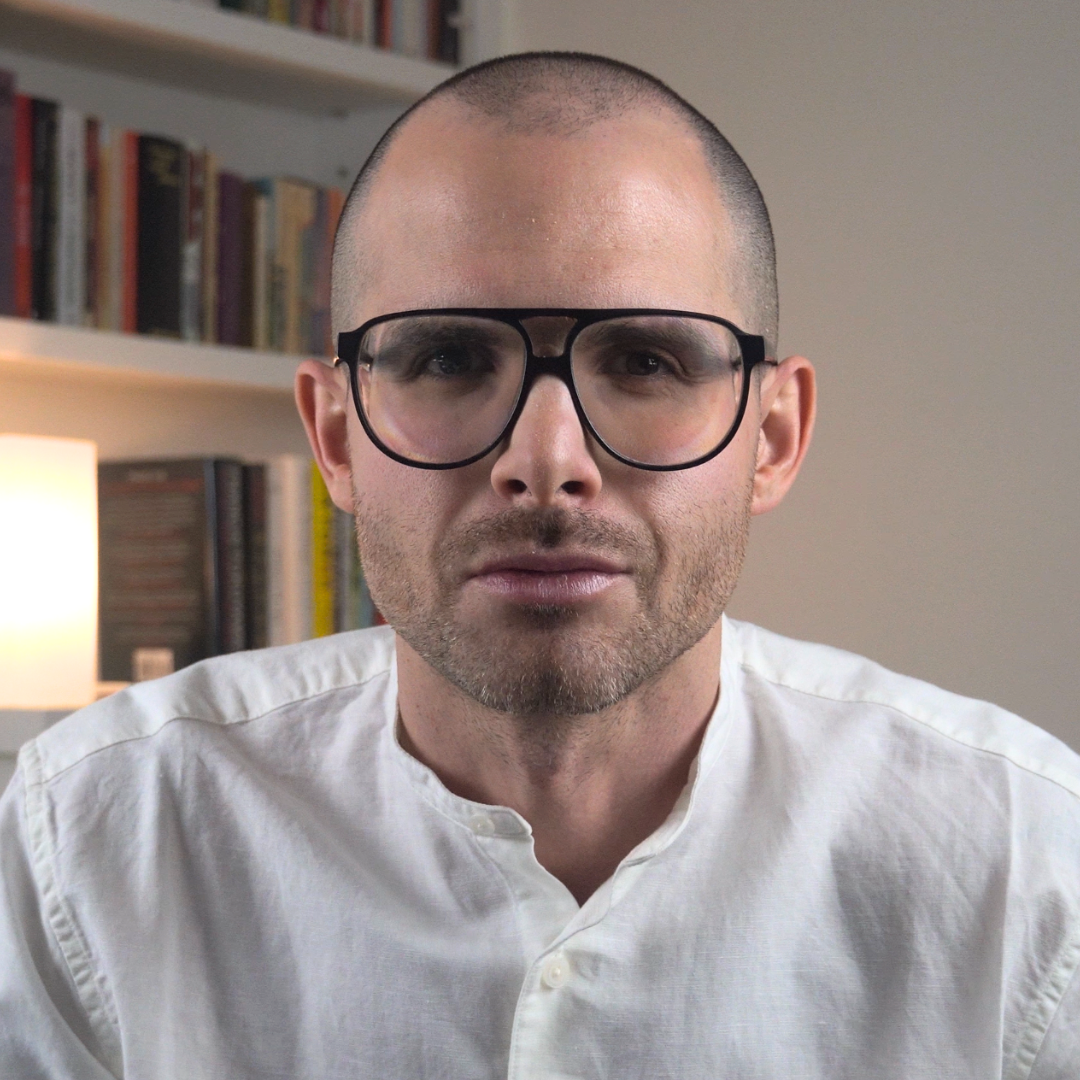
Aaron Chamberland is from Toronto, Canada and has spent his adult life living and working across England, China, and Germany. He earned a Bachelor’s degree in Political Science from Dalhousie University, followed by a dual Master’s degree in Global Media and Communications at the London School of Economics and Fudan University in Shanghai.
He began his career in the luxury sector, where he helped lead international market entries, oversee strategic initiatives, and optimize production and supply-chain operations. Over the past decade, he has worked extensively across Europe, North America, and Asia — experience that anchors the global perspective behind this firm.
Explore working together.
Begin a brief preliminary conversation to determine strategic fit and alignment.